 Marilyn Mak
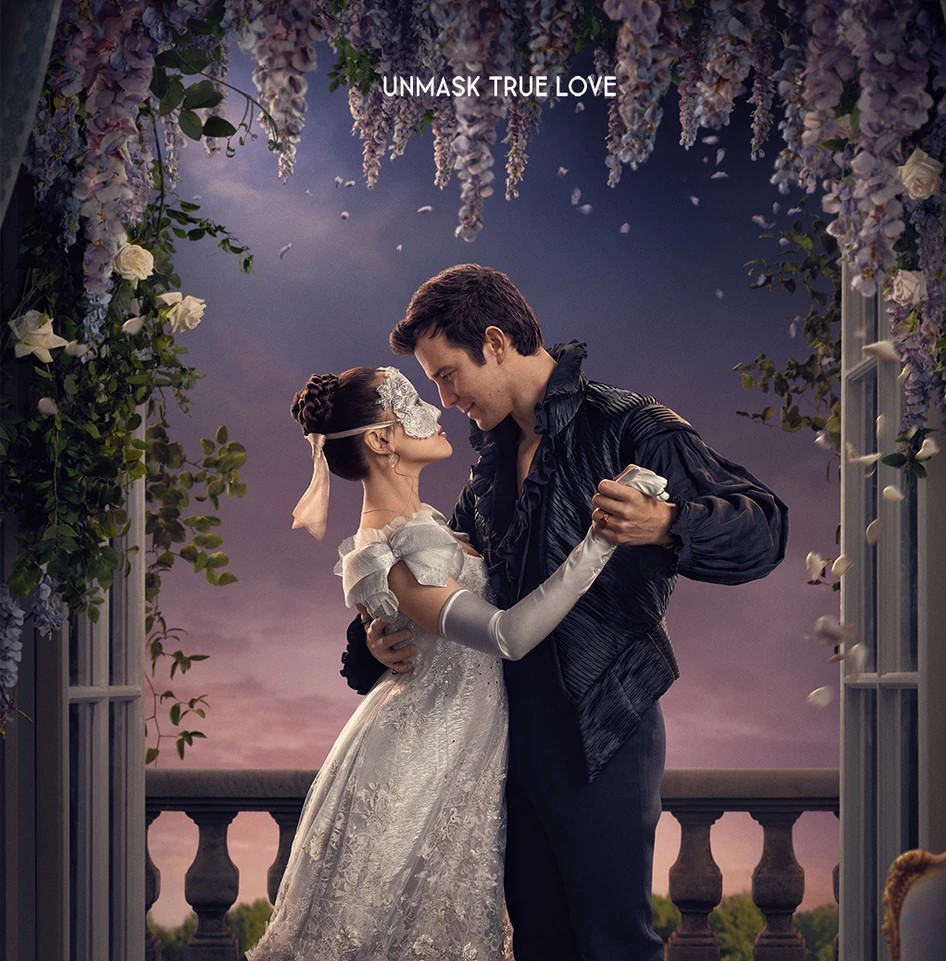
 Dearest gentle reader, another season of Bridgerton has graced our screens, centring on the romance between Benedict Bridgerton (Luke Thompson) and Sophie Baek (Yerin Ha). This seasons’ diverse casting is no longer new, yet it continues to raise intriguing questions about racial “blindness” in a show so firmly situated within the aesthetics of the Regency era, especially when racial reimagining is not inherited from the original book series but instead a deliberate adaptation choice.
Representation Matters
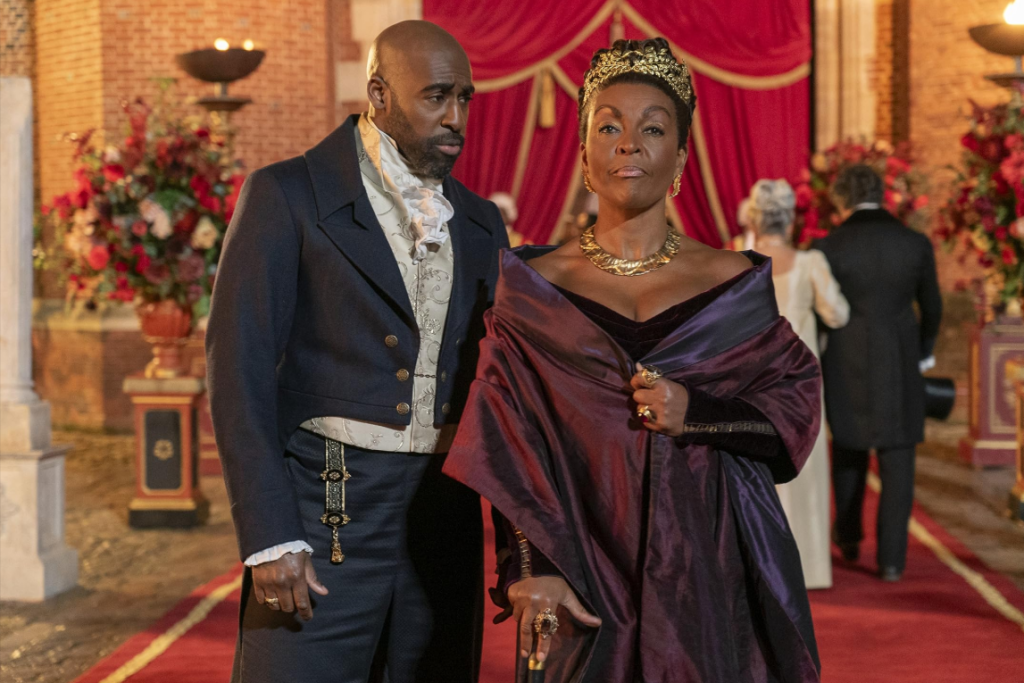
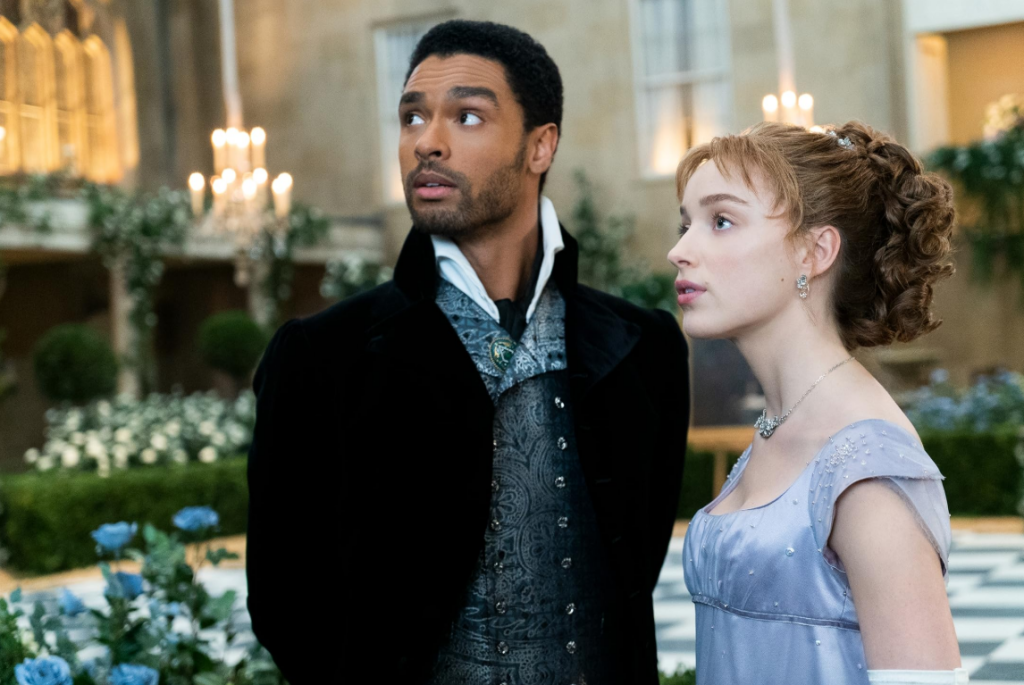
Let’s begin with where many defences of the show rightfully do: representation matters. For audiences of colour, seeing actors who look like them as main characters in romantic, desirable positions on screen is not trivial. Rather, it holds great influence because visibility functions as affirmation. It disrupts long-standing hierarchies of who is allowed to be beautiful and aristocratic, showing progressiveness in the Bridgerton world. The series has undeniably opened space in the period drama genre. Golda Rosheuvel’s Queen Charlotte, Regé-Jean Page’s Duke of Hastings, and now Yerin Ha’s Sophie Baek signal a conscious departure from the uniformly white drawing rooms that have historically defined Regency adaptations. It is refreshing, bold and, in many ways, necessary.
And yet.
Performative Inclusiveness?
The series reflects a contemporary cultural moment eager to foreground diversity. In an industry increasingly aware of representation politics, colourblind casting can appear as both a progressive move and strategic branding. One cannot entirely dismiss the possibility that inclusiveness is also good marketing, particularly in a global streaming economy. Bridgerton’s universe gestures toward racial equality as an accomplished fact. Structural racism appears to have evaporated sometime before the first waltz. This results in a fantasy not merely of romance but of history rewritten, where aristocratic society is racially integrated without visible friction.
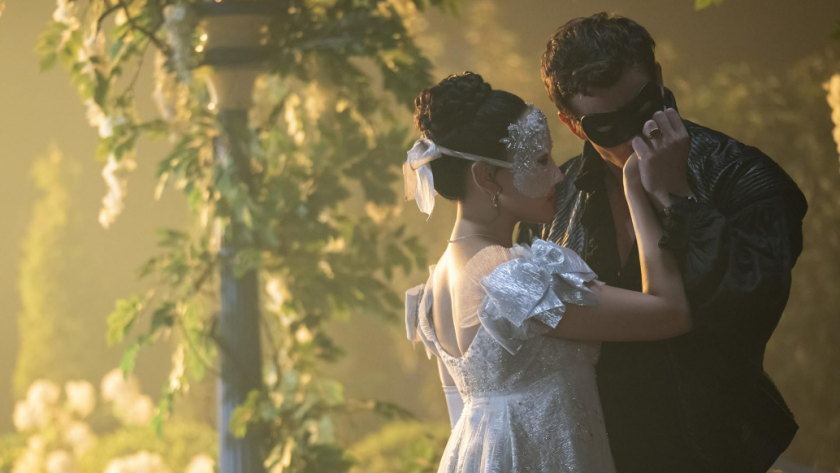
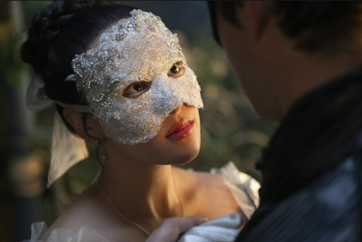
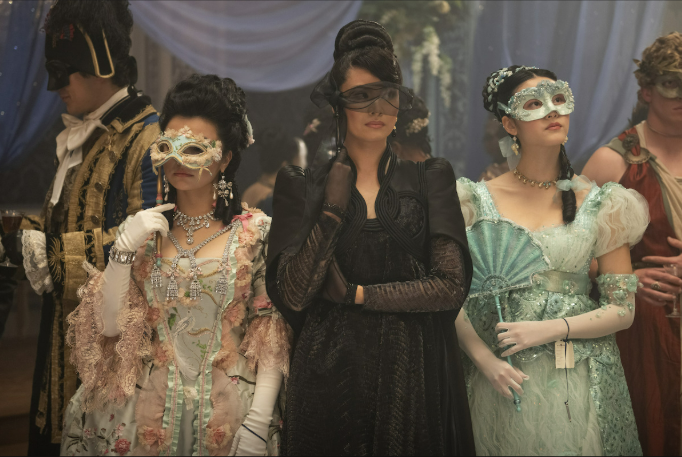
At times, this season’s performative colour-blindness stretches plausibility to near comedy. Benedict’s dragged-out inability to recognise Sophie beneath a masquerade mask, despite her visibly distinct features and the eventual “wrong” debutante looking entirely different, asks the audience to suspend not only disbelief but basic facial recognition. Alternatively, perhaps the blindness is not racial but class-based, metaphorically revealing that it never occurred to Benedict that a woman of such elegance could also occupy a servant’s position. This reading is more generous and interesting through the suggestion that class remains intact as a historical structure, even as race dissolves.
Selective Historical Accuracy
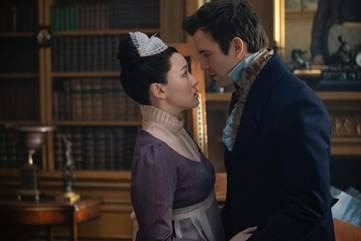
Bridgerton retains the elements of Regency England: class hierarchy, lavish estates, rigid courtship rituals, even brothels, while erasing the racial politics of the era… herein lies the slight tension. The show is meticulously historical in aesthetic detail but radically distorted in racial structure. If people of colour were excluded altogether, it would appear regressive. The show therefore positioned itself in a careful middle ground: a racially diverse aristocracy within an otherwise historically intact class system, with class becoming the highlight of this new season as servant-centred storylines are unveiled. It is a breath of fresh air in contrast to the aristocracy we’ve been seeing in the previous three seasons. However, exclusion of racial hierarchy is inclusion without historical discomfort. This selective accuracy produces a kind of narrative dissonance. The past is polished to preserve its romance while sanding down its brutality.
Loss of Subtlety and Cliché Overload
Earlier seasons excelled at romantic restraint. The slow-burn longing, the charged glances across ballrooms, the exquisite hesitation before a gloved hand touched another. All of these were the essence that made the series intoxicating. Yearning was perfectly unfolded with patience. This season, however, feels comparatively impatient. As mentioned previously, Benedict’s extended search for the “Lady in Silver” stretches anticipation into mild exasperation. What once felt like simmering tension risks becoming narrative stalling.
Even the love confessions, once the show’s crowning jewel, have come out unpolished. Where previous confessions balanced indulgent romance with sharp writing, the dialogue now occasionally trips into overt cliché. Lines such as “you are not like other girls” abandon subtext in favour of blunt affirmation. These lines diminish the sophistication and originality that once defined Bridgerton, as the desire was used to be shown but not declared, and the sweet spot of the delicate art of flirting with cliché has now gone overboard, even sometimes collapsing into it. The shift from “show” to “tell” flattens emotional complexity. And this potentially also mirrors the broader racial fantasy of the show of a preference for spectacle over subtlety and loud declaration over interrogation.
Do We Actually Care?
The lingering question remains: does any of this matter? One could argue that fiction exists precisely to romanticise, to beautify, to offer escape. In all fairness, if audiences wanted strict historical realism, they could simply watch a documentary. Perhaps Bridgerton should be understood completely as an alternative universe, Regency-adjacent but fundamentally speculative.
Yet repetition shapes cultural memory. When the past is repeatedly presented as aesthetically intact but racially harmonious through films and TV series, it risks blurring the historical realities that made such harmony impossible. At the same time, one could read this fantasy differently: as aspirational rather than revisionist, a visual reminder of how far society has travelled, and how much further it hopes to go.
It can therefore be read as both liberating and evasive. It is liberating in the sense that people of all races have equal opportunities to secure roles and are celebrated on screen. However, it can also feel evasive as centuries of racial inequality and oppression are effectively smoothed over to create a more inclusive, harmonious portrayal.
Overall, Bridgerton seems to be experiencing a decline in storytelling quality, which may potentially be linked to Jess Brownell’s takeover as showrunner and lead writer from Season 3 onward. It feels like she is experimenting in ways that clash with the series’ original vibe. Certain fundamental storytelling elements that define Bridgerton appear to have been overlooked in the process, which possibly contributed to a sense of narrative chaos in addition to colour blind casting. This makes the series both ambitious and uneven, struggling to balance inclusivity with the core charm that originally drew audiences in.
The series offers a world in which race is visible but rarely consequential, where history is re-orchestrated into something brighter and easier to waltz through. Race becomes aestheticised; racial hierarchy is structurally disarmed.