 Ernest Hui
 *Spoilers Ahead for Mulholland Drive (2001)
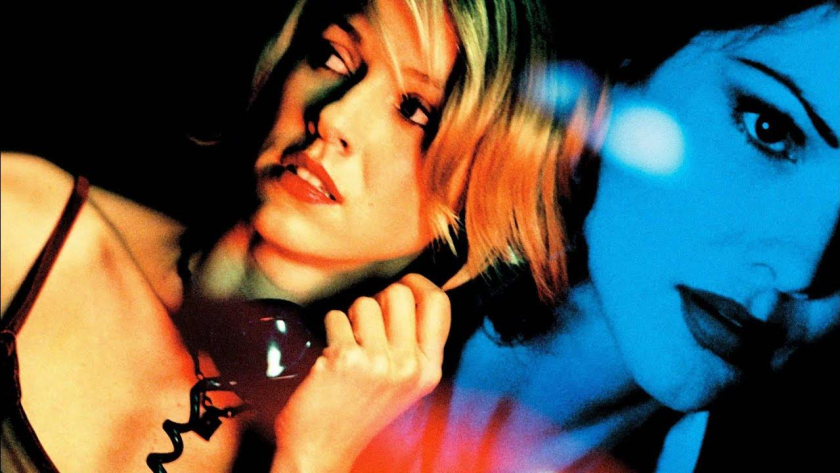
It opens with a background of deep, theatrical purple – a backdrop that is clearly artificially imposed. In the foreground is a legion of couples dancing in synchronisation to an upbeat yet ominous jitterbug tune, as their bodies overlap and blur into each other’s physical essence. Then, a new layer imposes itself onto the scene: a wave of blinding, overexposed white light that clarifies into the ecstatic, upturned face of Naomi Watts. But it is not a face; it is a mask of euphoric triumph forcefully superimposed over the identity that was once Diane Selwyn/Betty Elms. This forms the opening sequence of Mulholland Drive (2001), which lays out one of its key theses: Hollywood completely strips individuality from oneself – the gradual systematic replacement of the enthusiastic and authentic individual (the dancing couples) with a rigid yet well-presented ideal (Watts’ projection). The dream it sells is a hostile takeover. The entire film is the story of that promised identity: first as it smoothes over the rough, hopeful surface of the protagonist, then as it peels away to reveal the festering insecurity beneath, and finally, as it fatally infects her very soul. Twenty-five years on, the film still stands as one of the most profound deconstructions of Hollywood’s destructive mythology. Its refusal to romanticise the dream is realised through, and given an immeasurably devastating humanity by, the director-actor collaboration of the late David Lynch and Naomi Watts. Lynch provides his usual architecture of the oneiric narrative logic and purgatorial formal design, while Watts delivers a versatile performance that ranges from terrifying in its raw exposure and heartwrenching in its profound humanity.
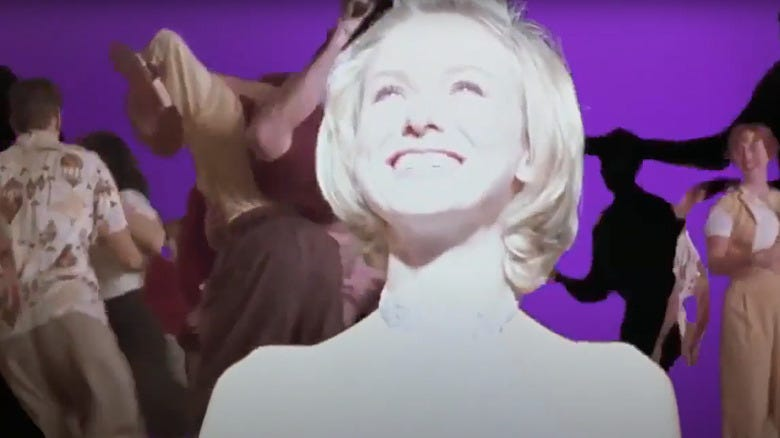
The opening sequence
This film has been interpreted to death, with lots of video essays speaking with the dogmatic authority to explain it as it is. I will not be forcing any interpretations on anyone. But for me, this is the reading I arrived at after a recent rewatch on the BFI IMAX screen, an experience as disorienting as it is heartbreaking. In my view, the sprawling first three-quarters of Mulholland Drive are a constructed fantasy, with lighter moments that sometimes are tangential to Betty and Rita’s ‘quest’ (for example, Mark Pellegrino’s bumbling hitman). The final quarter is the shattering reality of Diane’s tragic fate. While the film can be read in either direction, this interpretation of a beautiful, extended dream collapsing into a sordid, dreadful reality remains the most emotionally and psychologically devastating for me. It also feels the most revealing of Lynch’s intention: to map not a mystery, but a process of annihilation as manufactured by a coldhearted, patriarchal industry.
Lynch’s aim deconstructs Hollywood’s most seductive and destructive myth: the myth of the made self. The majority of the film presents the rebranding of an identity that has already been marginalised and discarded, as seen in the final act. This ‘Betty Elms’ persona is Diane Selwyn’s meticulously constructed fantasy of what a ‘successful’ Hollywood self should be – a perfect pastiche of Hollywood archetypes. She is a naive ingénue, yet also a naturally gifted actress who conquers her audition with ease. She plays an amateur detective and the object of desire. This inherent contradiction of character tropes echoes some of the most (in)famous casualties in Classical Hollywood: she has the ruthless ambition of Eve Harrington in All About Eve (1950), but in her final moments, falling towards the obsolete delusion of Norma Desmond in Sunset Boulevard (1950).
The construction of Betty’s identity lies in the crucial juxtaposition between rehearsal and performance. When Betty practices the melodramatic scene with Rita, her acting is woefully unconvincing – a surface-level, blatant recitation of dialogue. It is a performance about the act of performing. When she steps into the audition room, however, everything is completely different. Betty, understanding the intrinsic misogyny and transactional nature of the male gaze, undergoes a terrifying alchemy. She no longer recites; she seductively reads the lines with a husky intimacy that ultimately culminates in a real, sensual kiss with her scene partner (played by Chad Everett). Watts here accesses a raw, carnal intensity that seems to erupt from nowhere, shocking everyone in the room. This demonstrates that the Hollywood fantasy achieves its potency by drawing from the dreamer’s repressed reality, not from talent. The rehearsal is Betty ‘acting’, but the audition is Diane’s profound need for validation behind her façade – her unacknowledged sexual desperation, her jealous rage over losing Camilla (both to Adam and to the lead role of a show). The success of the audition is fundamentally fraudulent because its source stems from a trauma that the fantasy was built to hide. Adding another meta-textual layer of critique of Hollywood, Everett’s approval of the audition underscores the industry’s transactional and patriarchal nature: the industry rewards performances that most effectively package and sell the dreamer’s own trauma, shaped suitably to fit its own misogynistic undertones. The system benefits from the issues and wounds it helps to create.
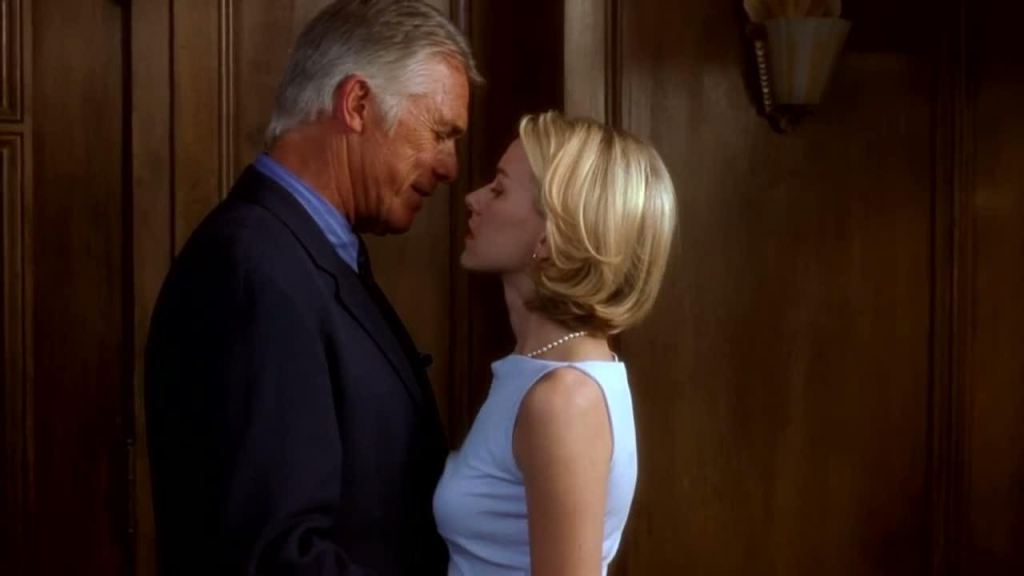
Chad Everett and Naomi Watts (as Betty Elms) in the audition scene
Yet, even within her own fantasy, a world engineered to escape her worst fears and fulfil her deepest ambitions, the corrupt forces of the system intrude. The appearances of mobsters Castigliane Brothers and the Cowboy reveals that the dream is inseparable from the grim reality. The latter’s pronouncement to the director Adam, “This is the girl”, shows that even in a dream of personal triumph, the protagonist’s fate is not her own. It is a product of bureaucratic, outer powers. Her fantasy cannot imagine a world where she is truly sovereign; it can only imagine a world where the elites finally choose her, a surrender to respectability, not liberation. Perhaps that is why Diane’s ideal self, Betty, can only conceive of her life in cliché Hollywood tropes (“It’ll be just like in the movies”). The dream, hence, is not an escape from Hollywood’s corrupt mechanism, but a tragic internalisation of it. Through rejections and disappointments, Diane has thoroughly absorbed the industry’s logic that her own subconscious can only reward her by replicating its oppressive, arbitrary power structures. The dream, in the end, is systematic, not personal.
This flawed fantasy finally culminates in an exhaustive spiralling back to reality, when the famous Club Silencio sequence happens. It reinforces the film’s core on masks and performance. The announcer’s declaration “No hay banda […] this is all a tape recording” does not merely break the fourth wall; it dismantles the ontological basis of Diane’s whole dream. The revelation is made even more devastating when singer Rebekah Del Rio (who plays herself) collapses while her voice plays on. It is her commitment to lip-syncing with such ferocity that makes the moment so powerful, much like Diane’s pretense that everything is all rainbows and butterflies. From this bears the unbearable truth – the symbols that once populated the dream now return with immense consequences, memories start reshaping and recovering. The blue key is no longer a mysterious MacGuffin, but the key (literally) unlocking Diane’s guilt. The grotesque creature behind the alleyways of Winkie’s is no longer a one-off character in a side character’s nightmare, but the ultimate embodiment of Diane’s self-loathing and dread. To detractors who reduce the unfolding of Diane’s reality to nothing but clues to a mystery: these symbols are never used to solve one, but to diagnose the symptoms of a psyche terminally collapsing in real time. This dream logic can only follow the logic of trauma, confined within its own reality lie the archetypes that Diane constructed.
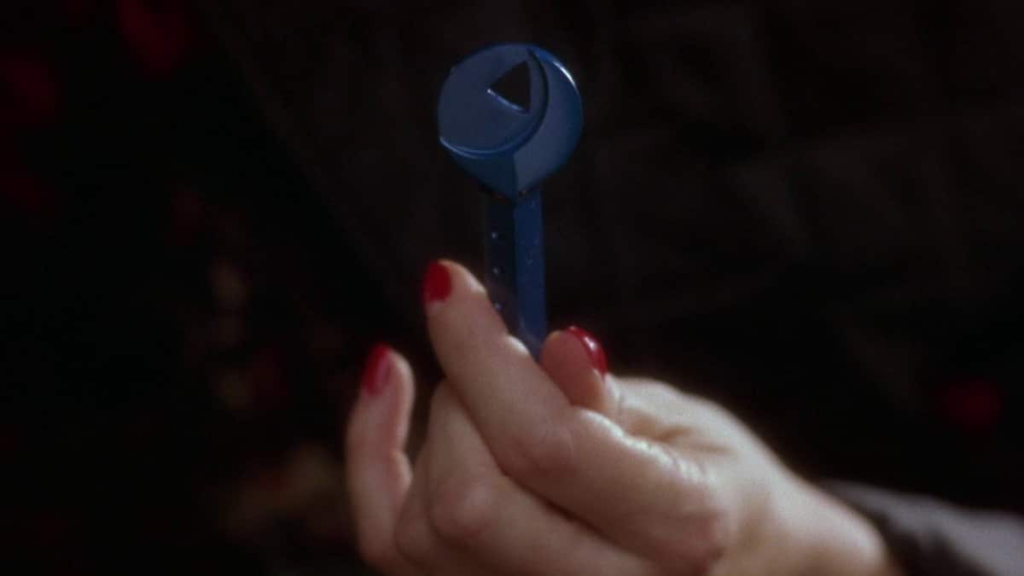
The blue key
This collapse puts us into the bleak, lonely landscape of Diane’s reality, constantly put down by the hierarchical cruelty of Hollywood. The party at Camilla’s mansion is the final straw for Diane as she faces sexual humiliation and social exclusion: Camilla’s casual brutality (engagement to Adam, kissing the Camilla in Diane’s dream) and the industry’s indifference toward Diane’s acting career (Coco having little interest in Diane’s life story). This is a system that operates with cold, surgical efficiency. Here, Naomi Watts’ performance completes its tragic arc, peeling away the glorious layer of the Betty persona to reveal Diane’s fragmented, paranoid, and hateful core. She forces us to witness the human wreckage left behind when the false dream is violently withdrawn. Diane is both a failed actress and a person who has been systematically rejected and erased, slowly replaced, first by Camilla and then by her own construction. The closing minute when Diane commits suicide is a final desperate attempt to silence the self that failed to become the ideal image: of Hollywood, of desire, of a life worth living. Silencio, the rest is silence.
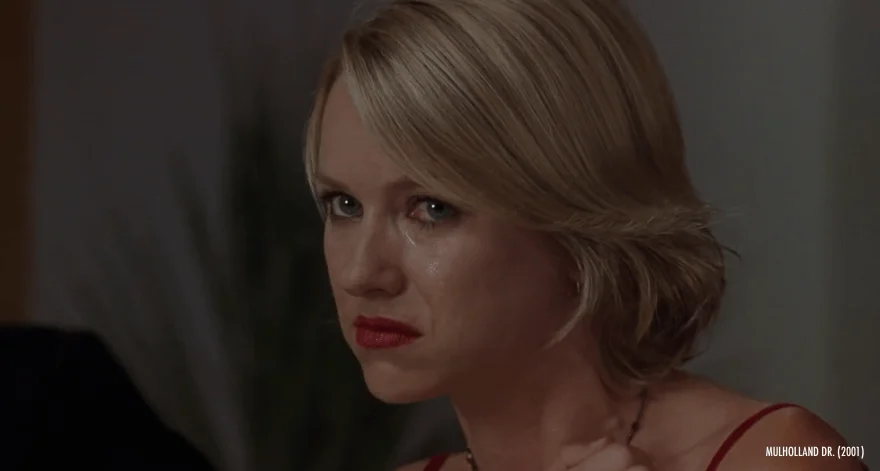
Watts as Diane Selwyn
2026 marks the 25th anniversary of Mulholland Drive and one year since we lost David Lynch. Returning to it now, the film’s greatest power lies not only in its timeless, terrifyingly modern tale about identity and desire, but as living proof of Lynch’s unique genius: his unparalleled architecture in light, sound, and subconscious dread. His instinctive casting of Naomi Watts (solely from her photograph) proves immaculate, for her performance transcends description. To witness her journey from Betty’s false radiance to Diane’s horrifying truth is to witness acting at its most sublime. It is, in my opinion, the greatest performance ever put to film.
Lynch’s legacy, cemented by this film, is one of radical artistic freedom and integrity – a freedom he wielded to dissect the machinery of power. Mulholland Drive documents a dream factory that consumes souls, a process that has only accelerated and mutated in the quarter century since its release. He did not predict AI or other advanced technologies, but he diagnosed the core human vulnerability they would inevitably exploit: the desire to have a well-presented, respectable identity manufactured for us. Today’s cultural landscape, characterised by algorithmically-engineered franchises (where films and shows produced by Netflix redundantly regurgitate plot points for distracted viewers), the relentless, performative churn of personal branding on social media, and the toxic illusion of instant validation, is exactly what Lynch anatomised. The ‘dream’ is now more pervasive, personalised, and predatory than ever. Diane Selwyn’s tragedy was once a cautionary tale; now, it mirrors the reality where anyone will curate an artificial self for a digital or algorithmic audience. This makes Lynch’s final, quiet act of moral redemption all the more significant. Recently, his daughter revealed his regret for having signed the 2009 petition seeking the release of Roman Polanski, the director and convicted rapist whose evasion from justice has long been enabled by the industry’s elite. That document now stands as a notorious artefact of the very patriarchal sickness Mulholland Drive exposes: the system’s instinct to protect powerful men and silence the vulnerable. That Lynch, who diagnosed this inherent sin, acknowledged his own complicity is not a contradiction, but a profound reconciliation. It suggests his film was never a detached critique from an outsider, but a flawed yet empathetic indictment from an artist who experienced such a repugnant culture. His regret underscores that the fight against the system’s corruption is ongoing, even for its most clear-sighted artists.
Ultimately, Mulholland Drive remains a constant influence, not because it maps onto our zeitgeist, but because it exists to transcend time. It is one of the greatest arguments for cinema as an art form because it does not ask us to solve this mystery, but to feel empathetic for the dream that many craved, yet got so brutally rejected by. To be a filmmaker is to be a dreamer. That is what David Lynch did, and Mulholland Drive is his embodied, enduring gift to us.
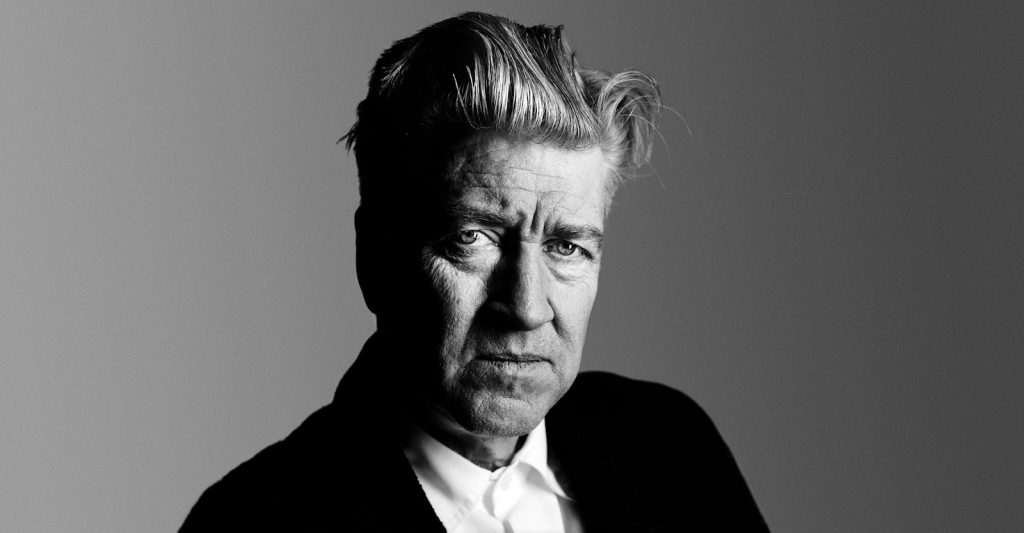
In Memoriam Et Somnia
David Lynch
20/01/1946 – 16/01/2025